
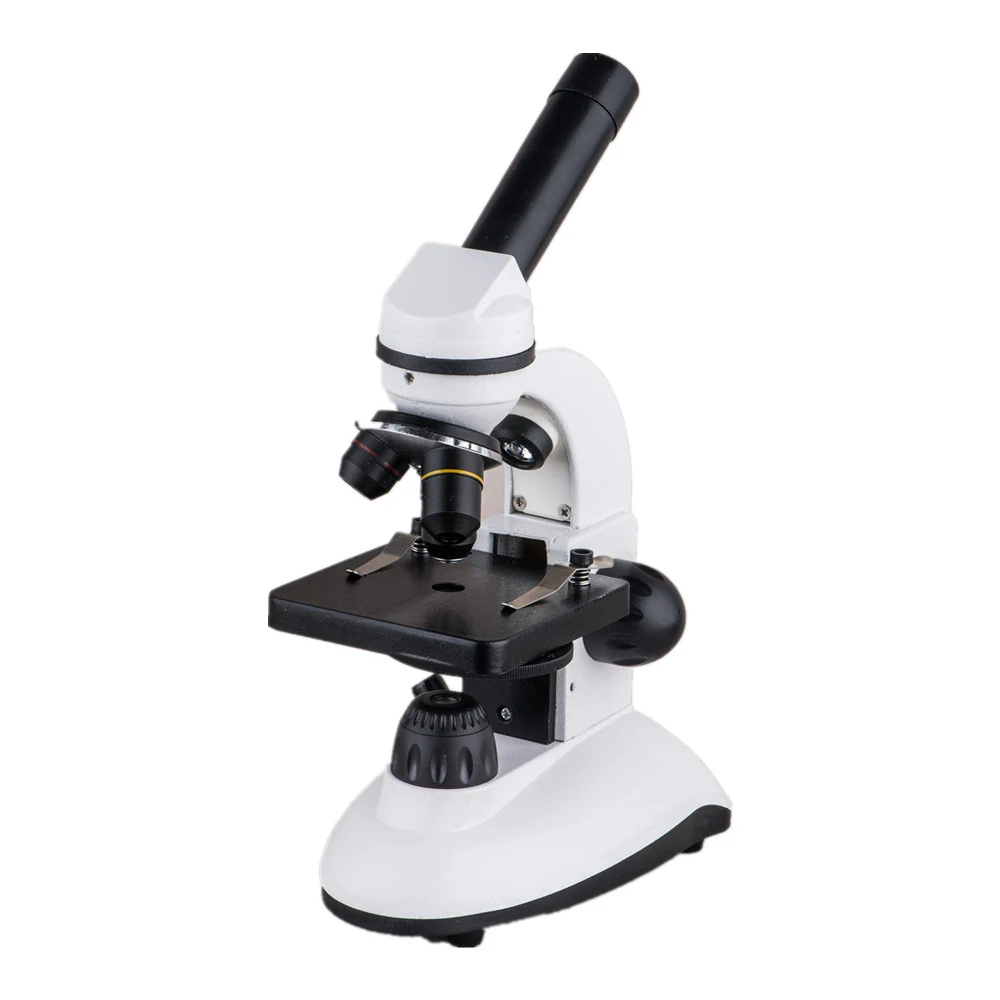
XSP100 Student Child Biological Microscope for School Education
Feature 1. High quality material, with exquisite design, the biological monocular microscope is suitable for kids and students to learn as a beginner kit. 2. Th…
View details →How clinical and research buyers specify compound biological microscopes from AMADA’s XSP, XDT, XP, XUB, and XAB series — including inverted models — without mixing them up with electron systems.
Compound light microscopes are the workhorses of clinical smear review, teaching labs, and biomedical research benches. Nanjing AMADA Instrument lists student biological, laboratory biological, and inverted biological microscopes, with series pages for XSP, XDT, XP, XUB, and XAB. These are optical instruments for transmitted-light work on slides — not scanning electron or transmission electron systems.
Student biological lines (XSP / XDT / XP series) are typically specified for teaching and routine observation. Laboratory lines such as XUB publish detailed outfit tables (binocular/trinocular tubes, infinity plan achromatic objectives, Abbe condenser N.A.1.25, mechanical stages, Kohler illuminator options, halogen or LED electrical parts). Match the published optional vs standard markers on the product page before you request a quote.
Inverted biological microscopes place objectives under the stage so culture vessels and thicker samples stay upright. AMADA lists a dedicated inverted biological category alongside upright laboratory models — use that category when your protocol needs flasks or dishes rather than standard slides only.
AMADA’s About page states ISO9001-2008 and CE certificates at company level. Ask for the certificate copies that apply to your shipment rather than assuming every SKU carries the same file set.
Related search themes: biological microscope, compound microscope, lab microscope, laboratory microscope, compound light microscope, light microscope, scientific microscope
Feature 1. High quality material, with exquisite design, the biological monocular microscope is suitable for kids and students to learn as a beginner kit. 2. Th…
View details →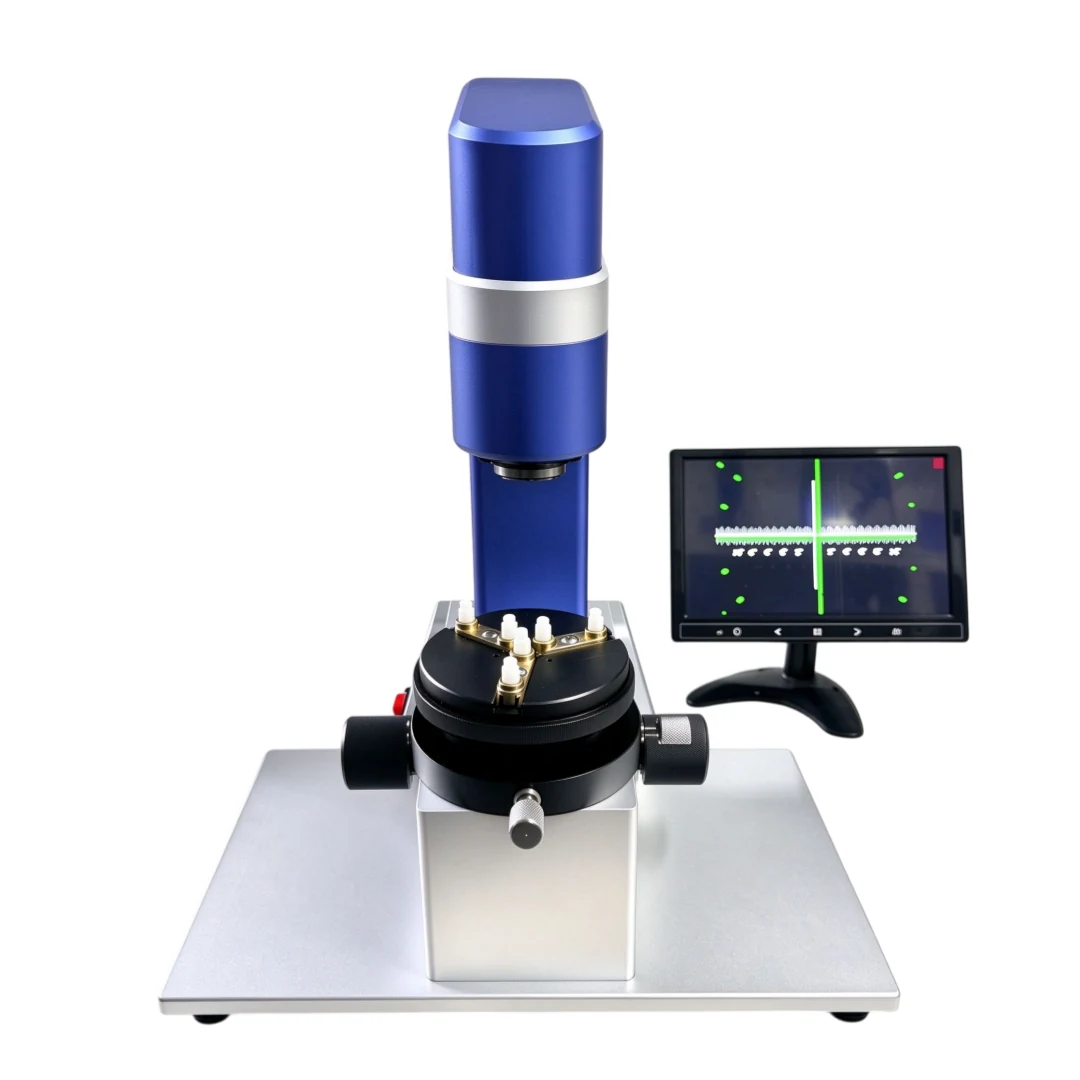
Instrument Features High accuracy. 15″ per division. Fixed reticle graduation. The reticle graduation of the instrument is always maintained at 15″ per division…
View details →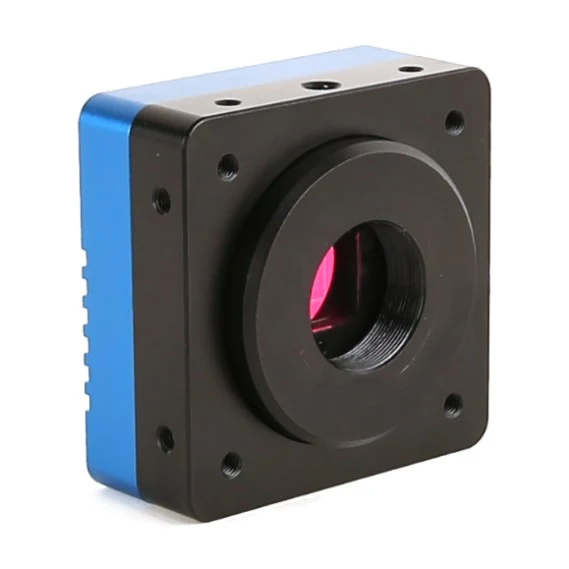
Product Introduction The IUA series is designed for general industrial inspection and scientific imaging, with resolution coverage from 0.39MP to 45MP. It provi…
View details →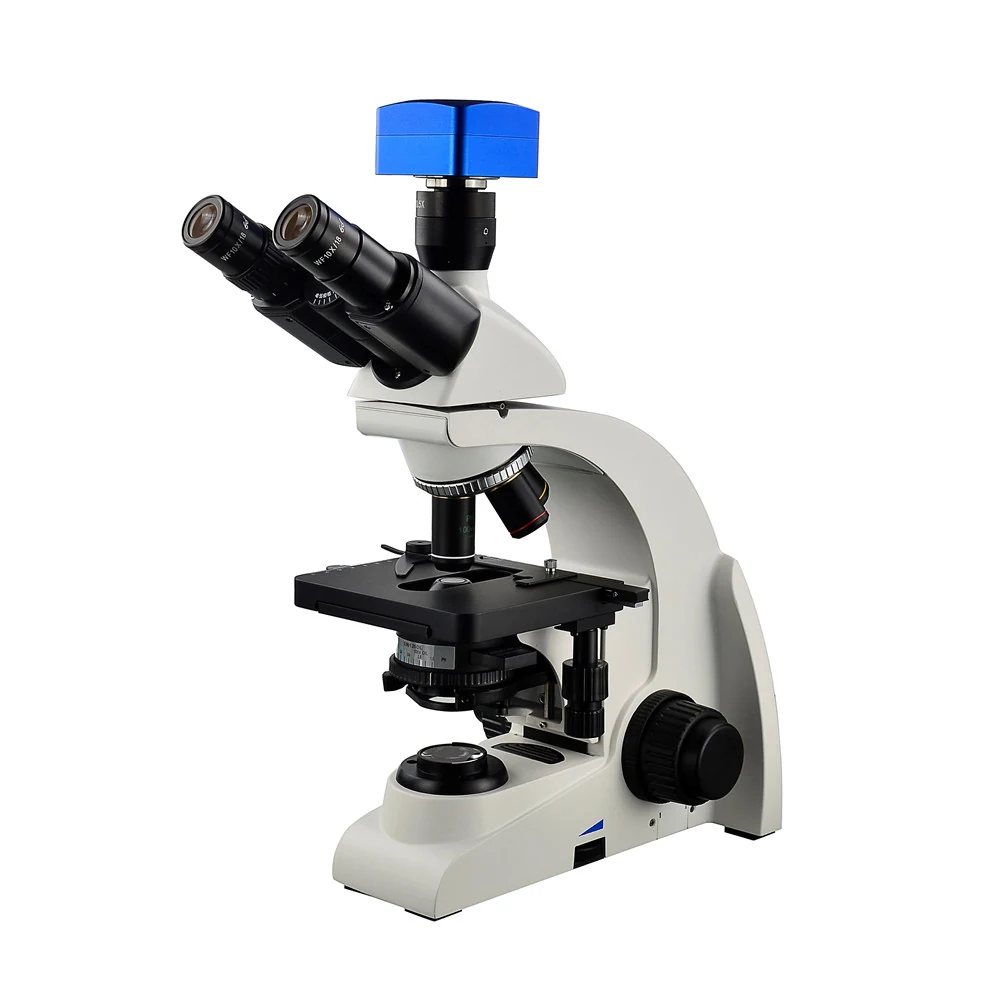
● UCIS Infinity Independent Achromatic Optical System ● WF10x Plan Eyepieces, 18mm Field of View, High Eye Point up to 21mm ● Seidentopf Binocular/Trinocular Vi…
View details →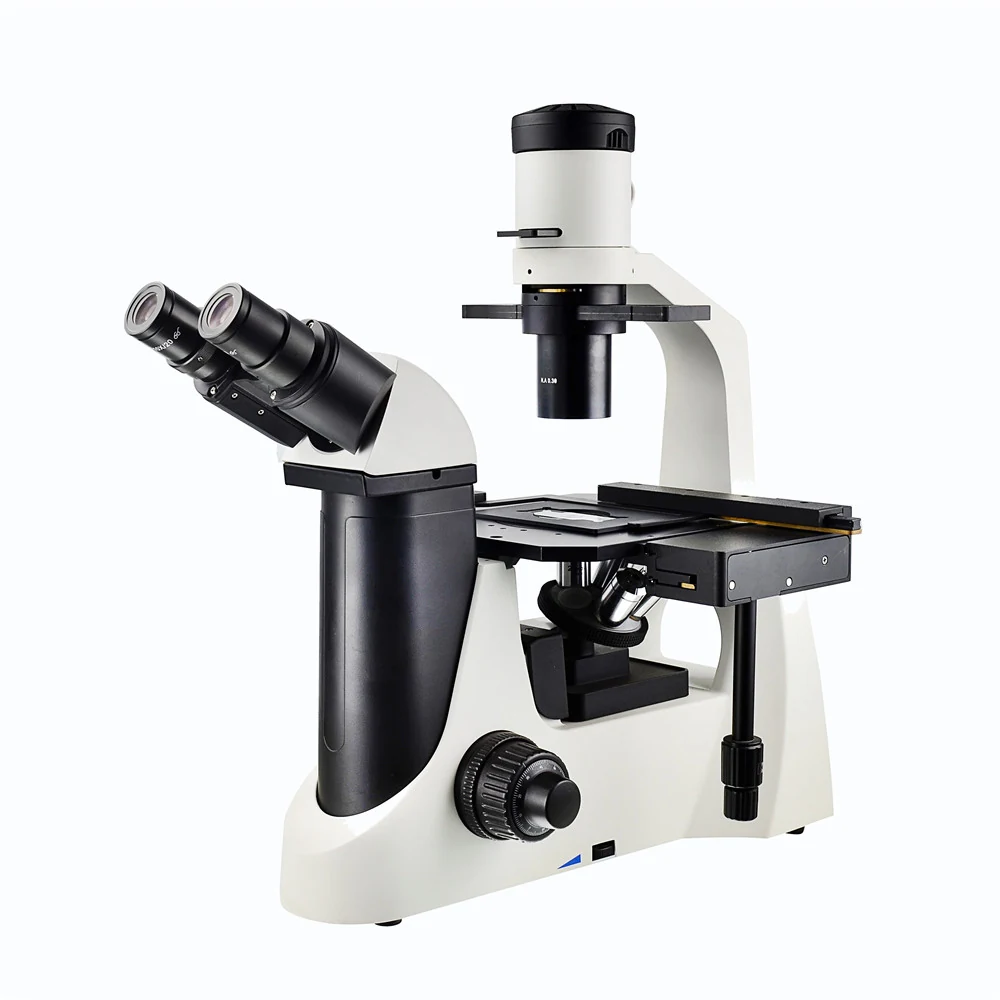
●UCIS Infinity Independent Achromatic Optical System ●Seidentopf binocular viewing head, inclined 30º, 52-75mm interpupillary distance settings, ±5 º Diopter ad…
View details →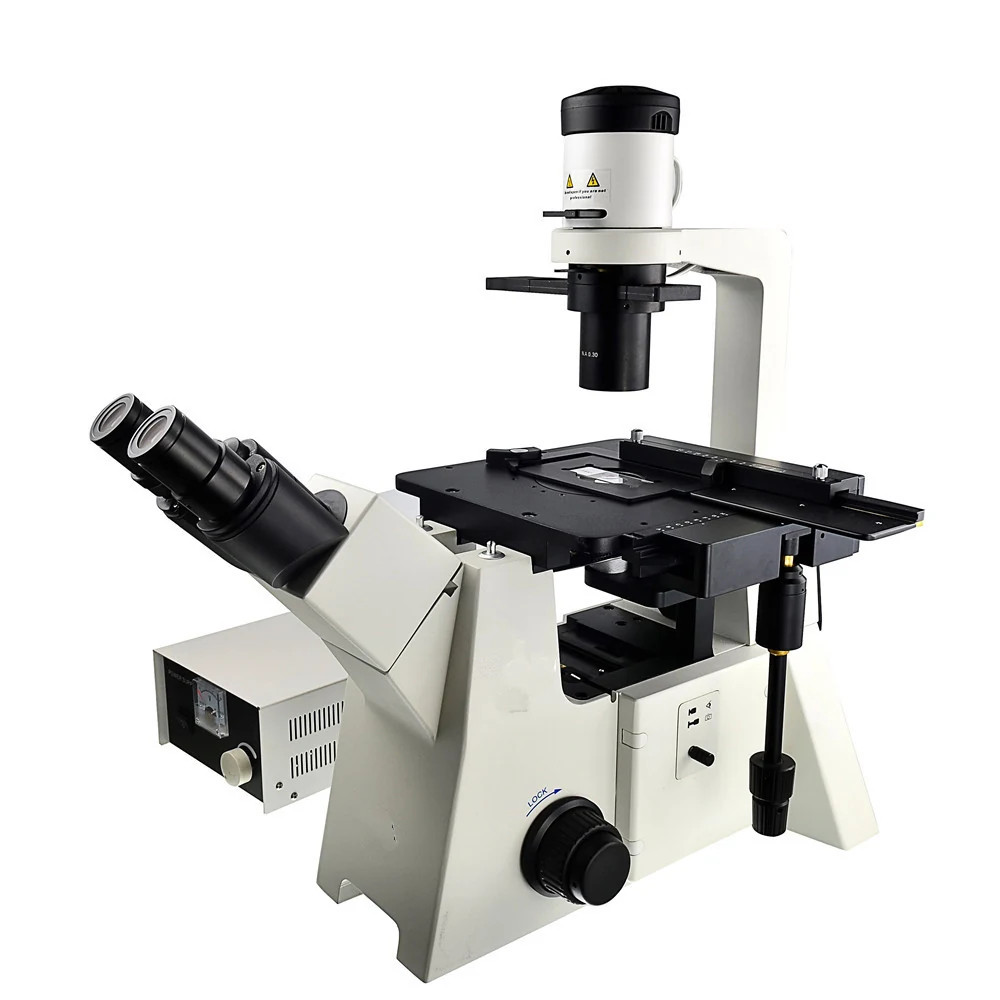
●UCIS Infinity Independent Achromatic Optical System ●WF10x plan eyepieces, 20mm field of view, high eye point up to 21mm ● Seidentopf binocular viewing head, i…
View details →