
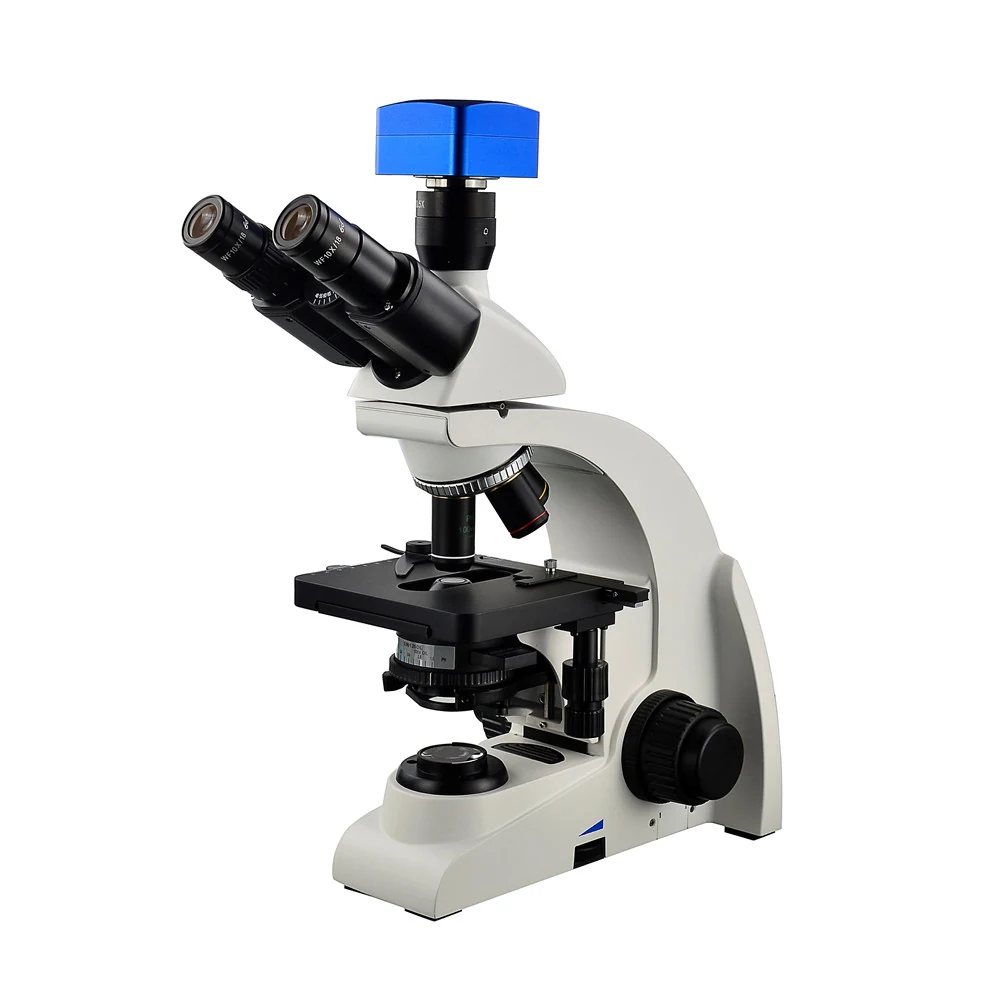
XUB100 Laboratory Biological Microscope for Hosptial Research
● UCIS Infinity Independent Achromatic Optical System ● WF10x Plan Eyepieces, 18mm Field of View, High Eye Point up to 21mm ● Seidentopf Binocular/Trinocular Vi…
View details →How AMADA laboratory biological listings specify binocular vs trinocular tubes, interpupillary ranges, and light splits for camera work.
Laboratory models such as XUB list Seidentopf binocular and trinocular tubes with interpupillary ranges (for example 48–75 mm or 52–75 mm), inclination, rotation, and diopter adjustment. Trinocular rows document prism light splits such as 20/80, 100/0, or 50/50 — critical when a camera must receive enough light.
Choose binocular for eyepiece-only teaching stations. Choose trinocular when documentation or dual observation with a camera is required, then pair with a C-mount camera from the microscope camera categories.
Related search themes: binocular microscope, trinocular microscope
● UCIS Infinity Independent Achromatic Optical System ● WF10x Plan Eyepieces, 18mm Field of View, High Eye Point up to 21mm ● Seidentopf Binocular/Trinocular Vi…
View details →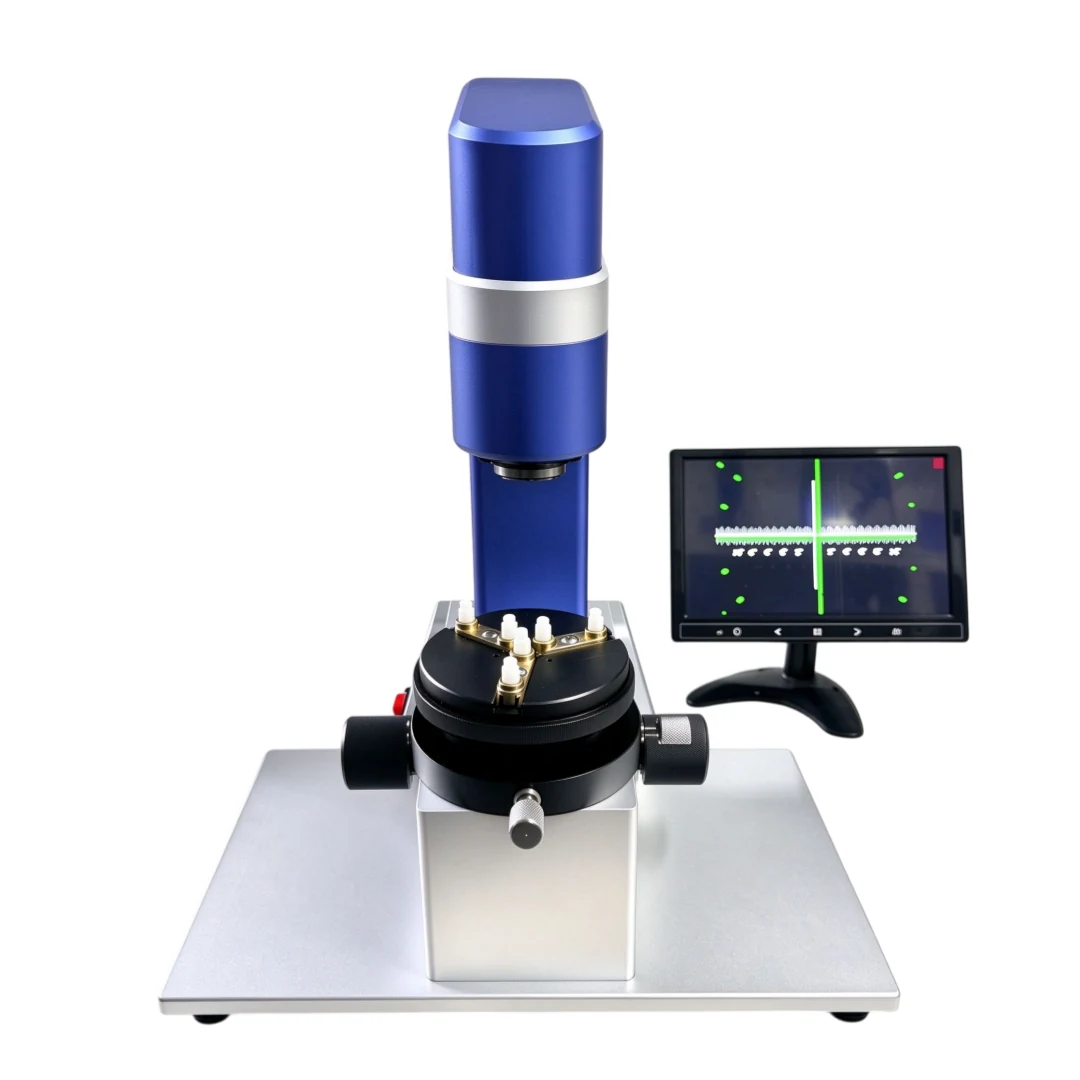
Instrument Features High accuracy. 15″ per division. Fixed reticle graduation. The reticle graduation of the instrument is always maintained at 15″ per division…
View details →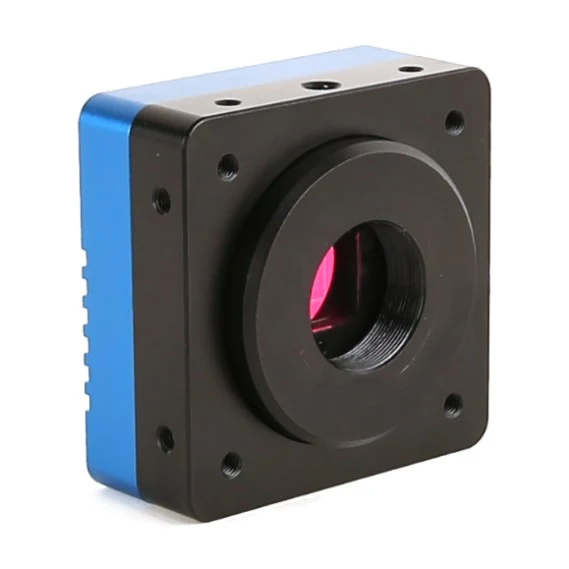
Product Introduction The IUA series is designed for general industrial inspection and scientific imaging, with resolution coverage from 0.39MP to 45MP. It provi…
View details →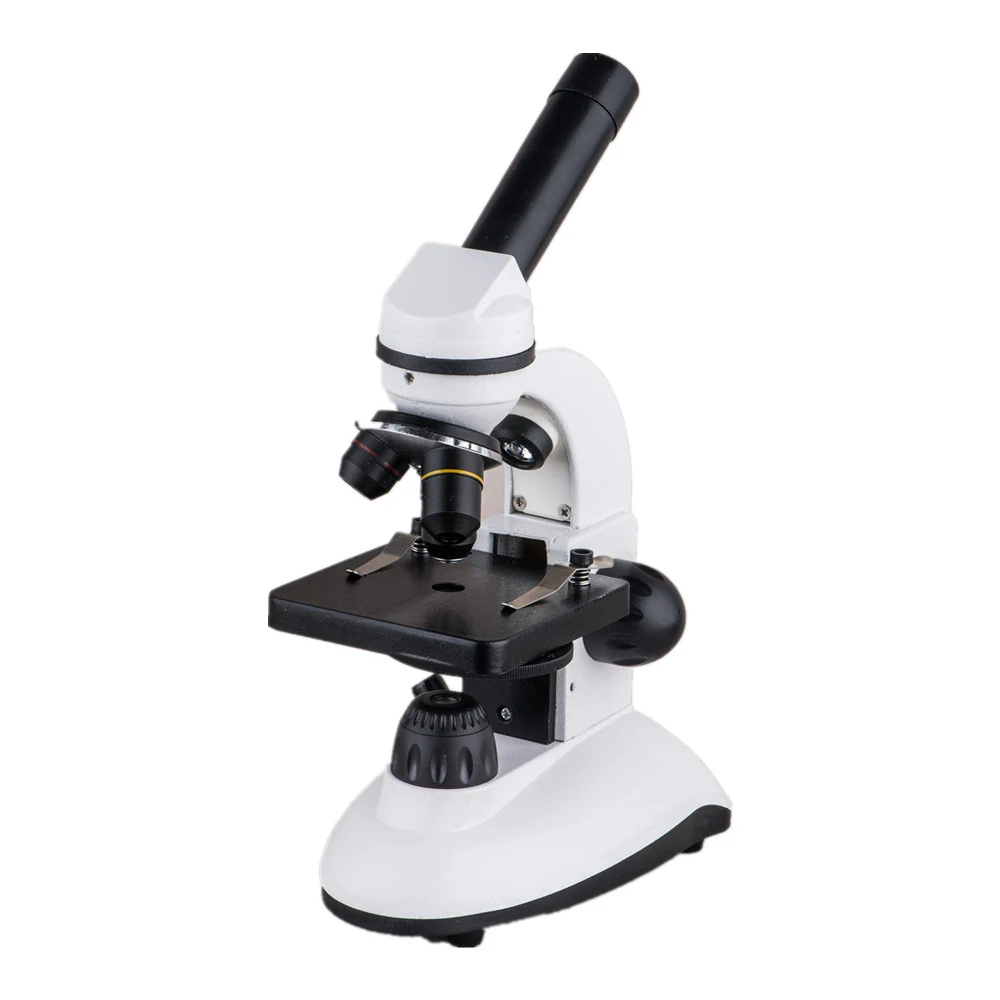
Feature 1. High quality material, with exquisite design, the biological monocular microscope is suitable for kids and students to learn as a beginner kit. 2. Th…
View details →