Nanjing AMADA Instrument Co., Ltd. · Nanjing, China [email protected] · +86-15195807515
Home Products Biological MicroscopeZoom Stereo MicroscopeFluorescence MicroscopeMetallurgical MicroscopePolarizing MicroscopeVideo Digital MicroscopeMicroscope CameraAstronomy AccessoryMicroscope AccessoryMagnifier Knowledge About Contact Request A Quote
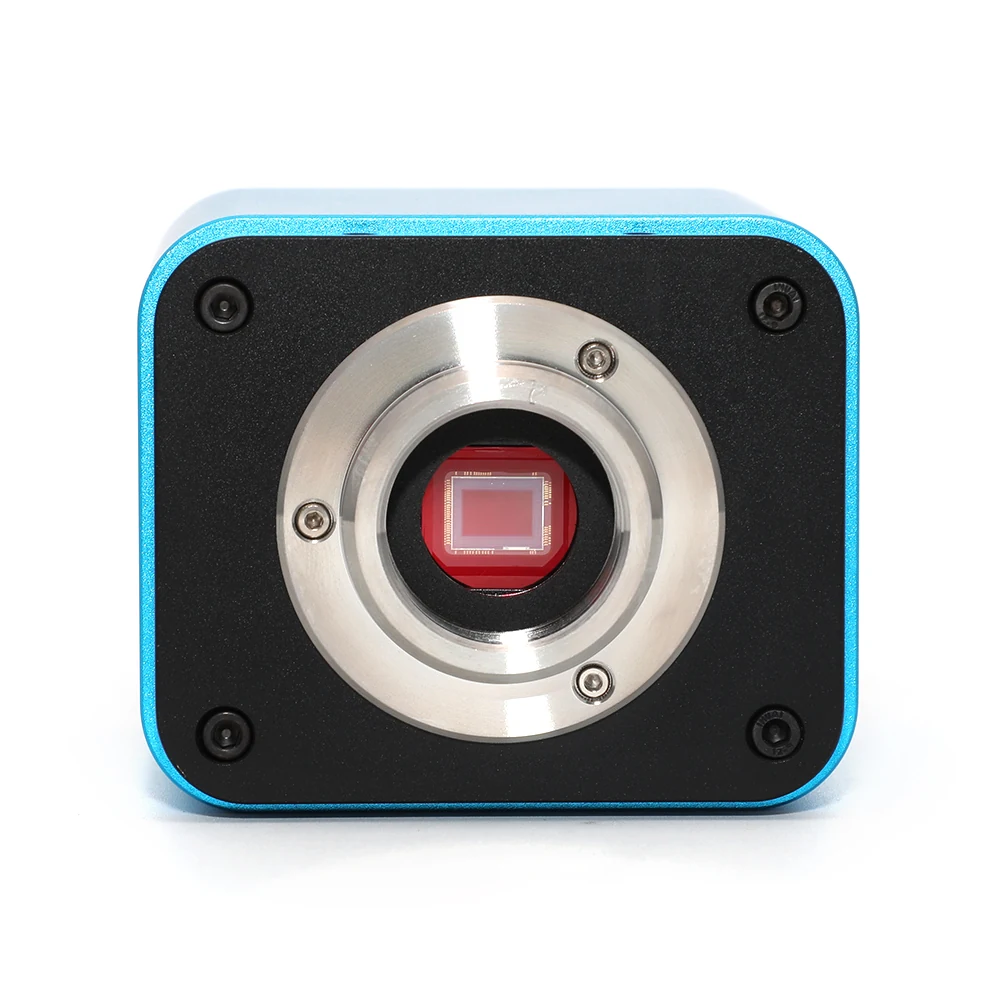
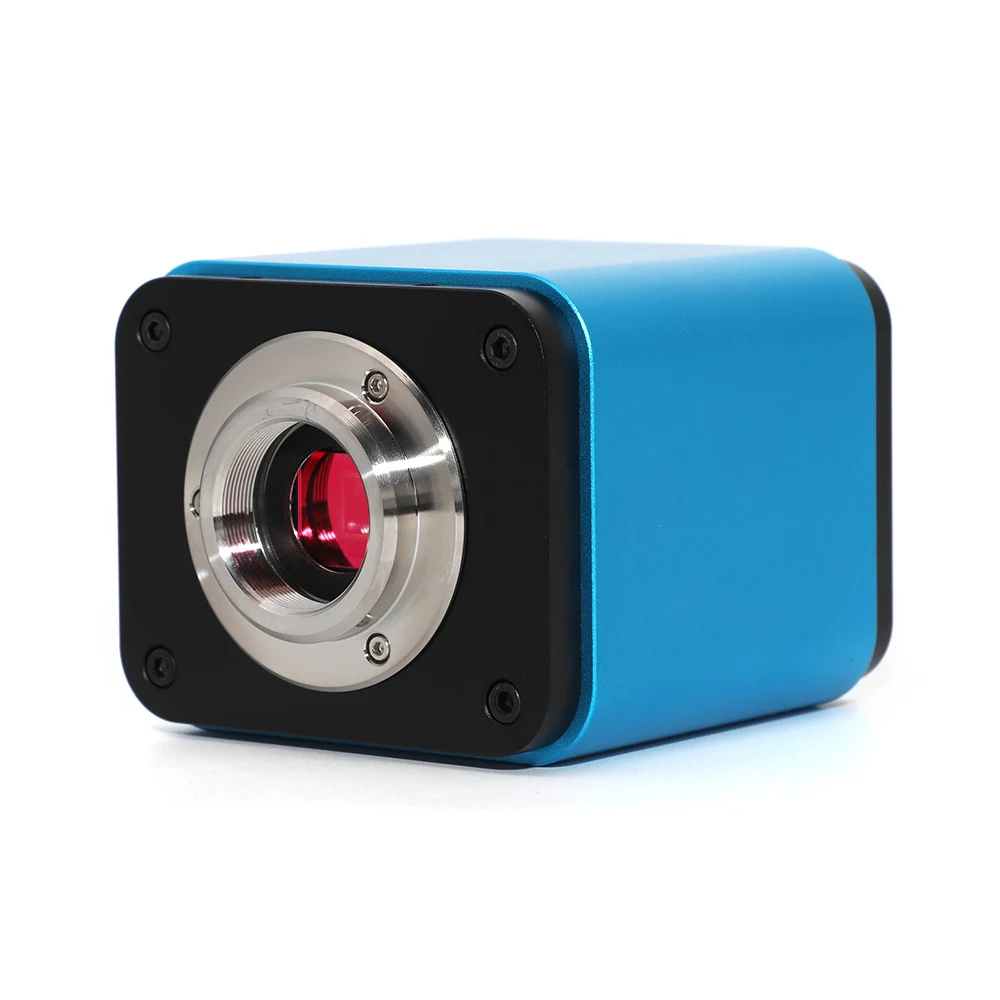
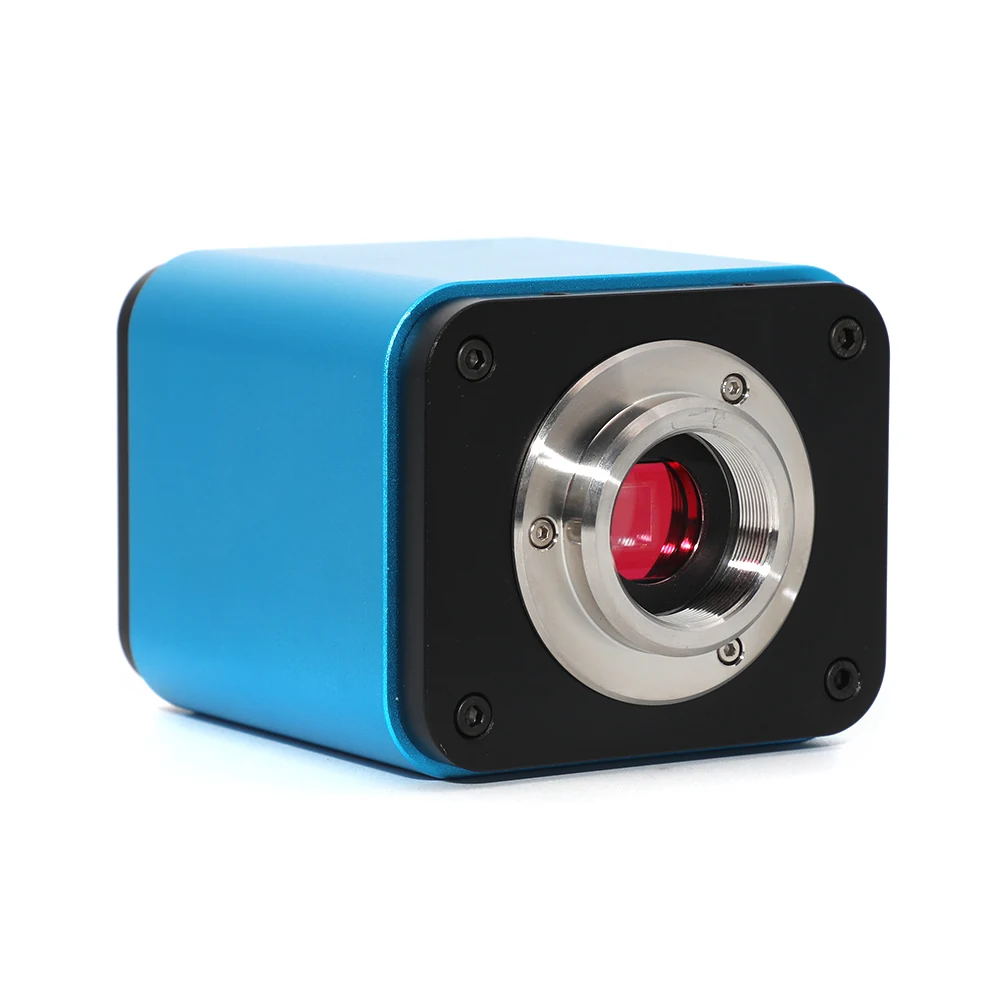
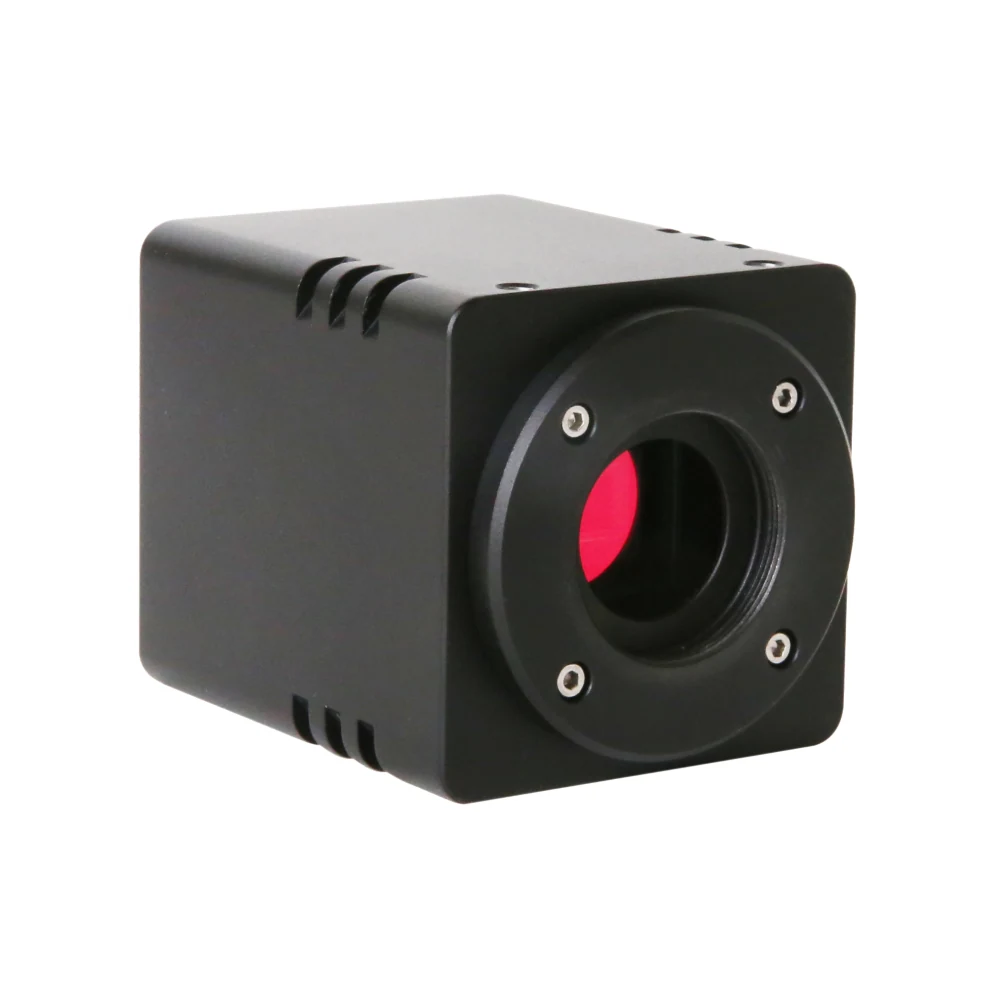
XFCAM1080PHB/D AutoFocus IMX178 IMX185 Microscope Camera

XFCAM1080PHB/D AutoFocus IMX178 IMX185 Microscope Camera

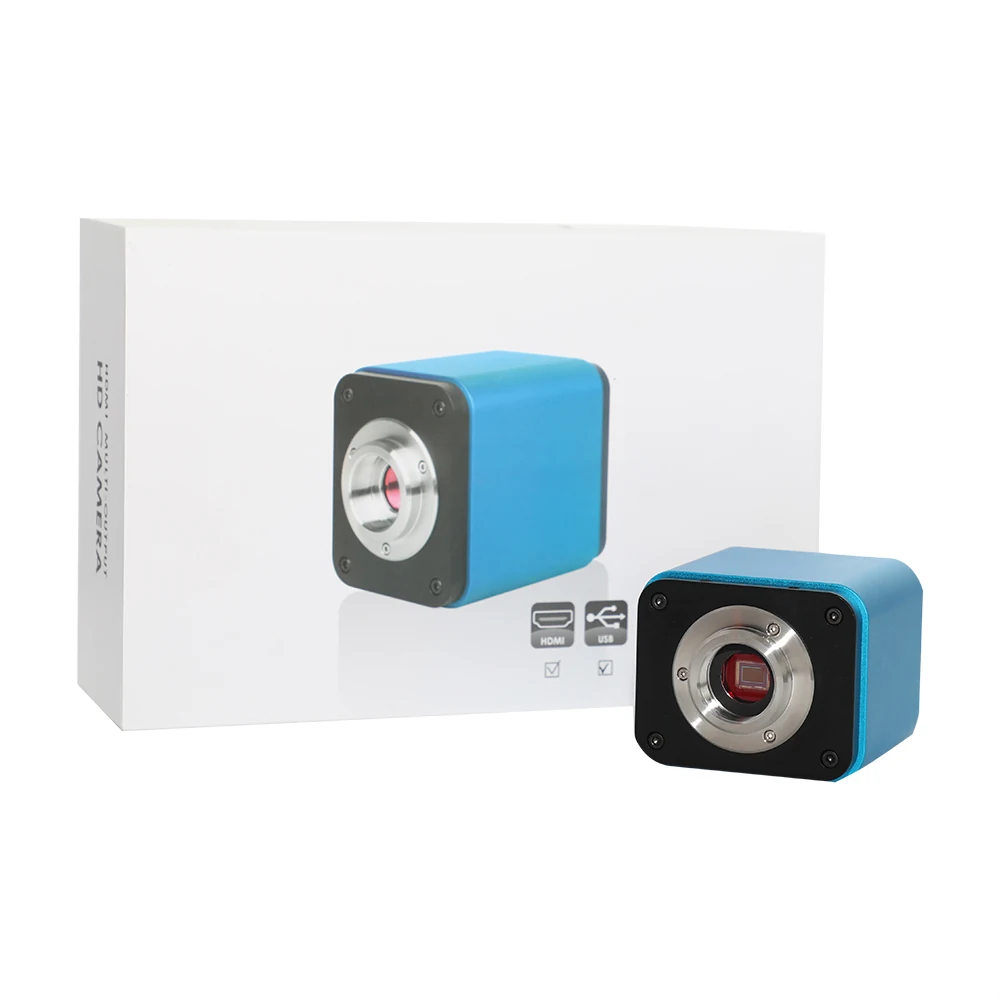
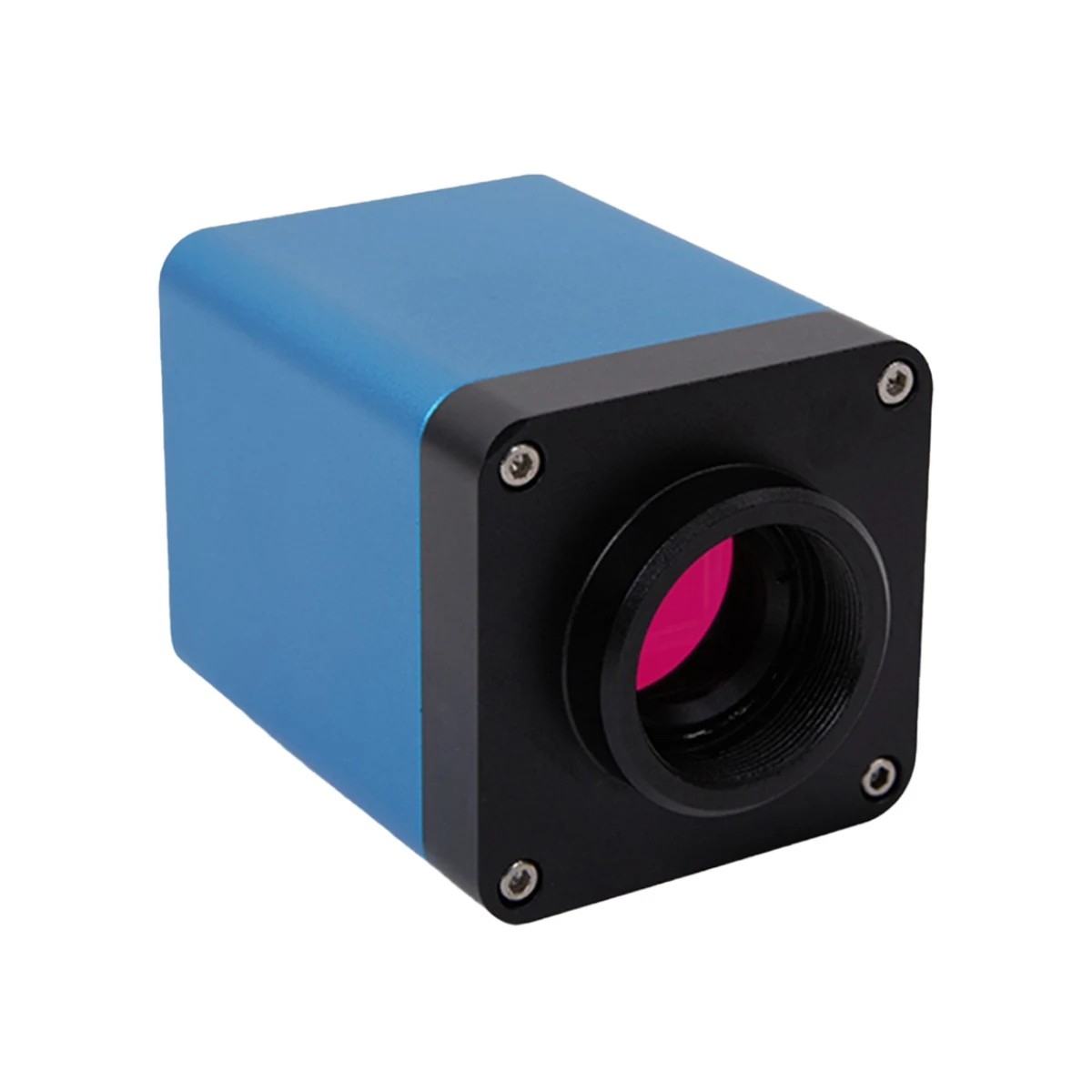
XFCAM1080PHB/D is an autofocus HDMI microscope camera from Nanjing AMADA Instrument for real-time imaging and documentation in clinical, biomedical, and electronics inspection. The camera supports 1080P resolution at 60 fps via HDMI and 25 fps via WiFi, with Sony IMX178 (color) or IMX185 (monochrome) sensors, and includes SD card recording, USB control, and embedded software for exposure, white balance, and image capture.

  • Autofocus with fast exposure control (0.03ms–918ms) for consistent imaging under variable lighting
  • Dual output via HDMI (60 fps) and WiFi (25 fps) for flexible integration with monitors, recorders, and software
  • SD card recording of 1080P video (30 fps) and still images in JPEG format without external PC
  • Embedded XCamView software with full control over exposure, gain, white balance, sharpness, and denoising
  • Supports multiple platforms including Windows, Linux, macOS, and Android via WiFi and ToupView/ToupLite

Technical features

  • Sensor: Sony IMX178 (color) or IMX185 (monochrome), 1/1.8″ (6.22×4.67 mm) or 1/1.9″ (7.20×4.05 mm)
  • Pixel size: 2.4×2.4 μm (IMX178) or 3.75×3.75 μm (IMX185)
  • Sensitivity: 425 mv (IMX178) / 1120 mv (IMX185) at 1/30s exposure
  • Dark signal: 0.15 mv at 1/30s exposure
  • Frame rate: 60 fps at 1920×1080 via HDMI; 25 fps at 1920×1080 via WiFi
  • Exposure range: 0.03 ms to 918 ms
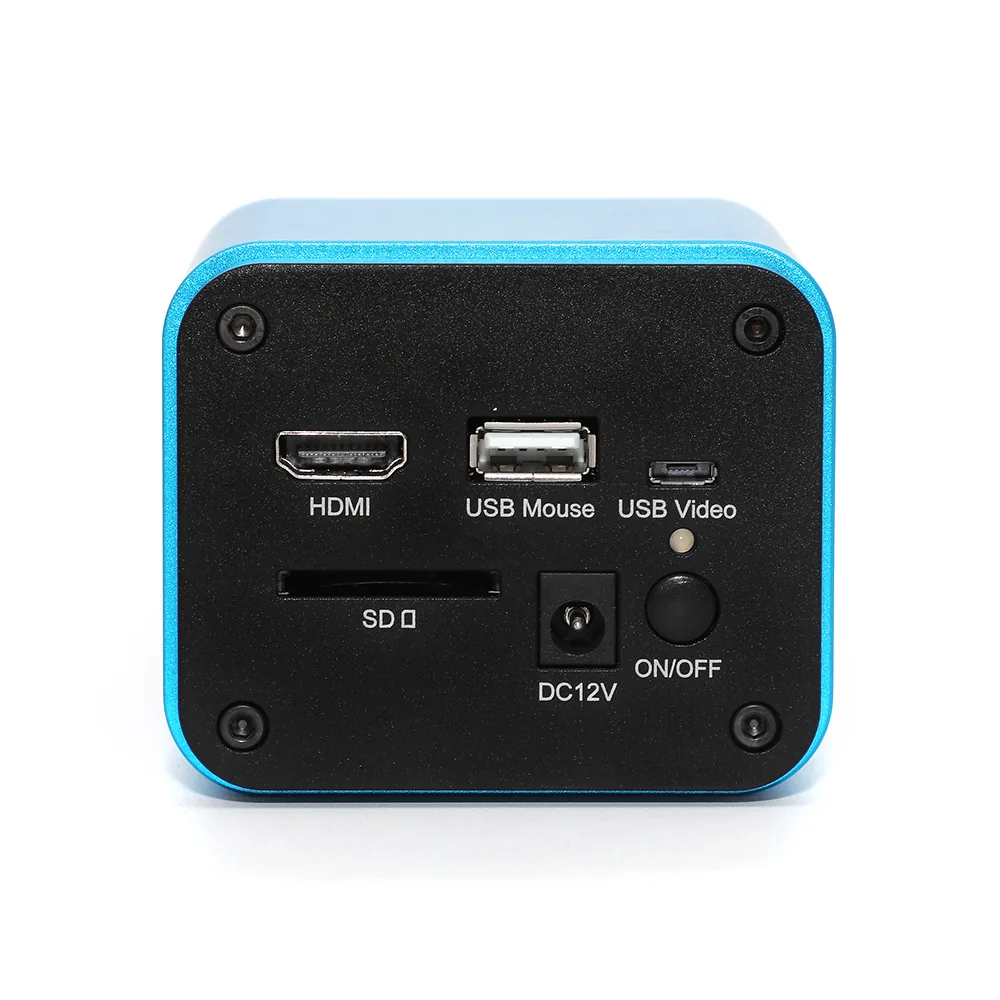
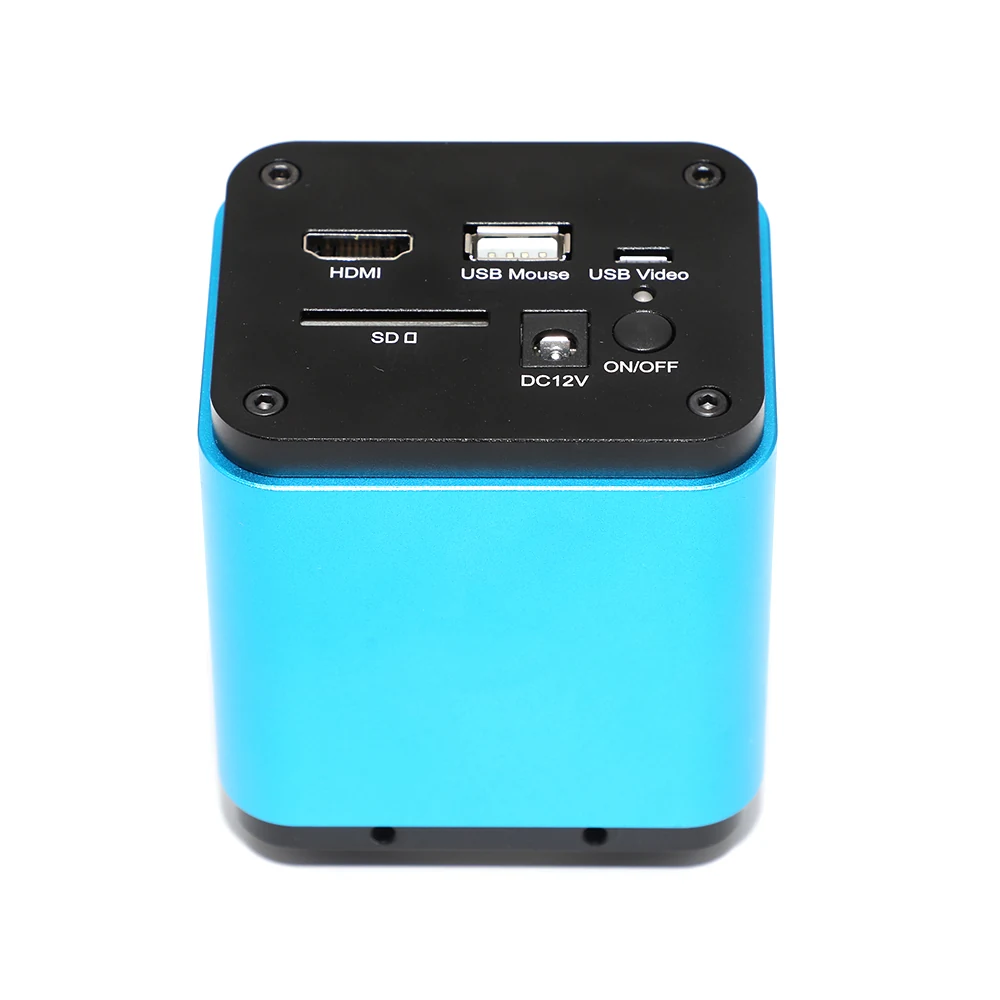
  • HDMI output with embedded XCamView UI and control via USB mouse
  • SD card slot for JPEG stills (5M or 2M resolution) and ASF video recording (1080P, 30 fps, up to 8GB)

Who it is for

  • Procurement engineers sourcing cameras for microscope integration in inspection lines
  • Lab managers building documentation systems with embedded recording and control
  • Distributors offering complete microscope imaging solutions with dual output options

Specifications

ModelXFCAM1080PHB / XFCAM1080PHD
SensorSony IMX178 (C) / IMX185 (M)
Sensor Size1/1.8″ (6.22×4.67 mm) / 1/1.9″ (7.20×4.05 mm)
Pixel Size2.4×2.4 μm / 3.75×3.75 μm
Resolution1080P / 5M (PHB) / 2M (PHD)
Frame Rate (HDMI)60 fps at 1920×1080
Frame Rate (WiFi)25 fps at 1920×1080
Exposure Range0.03 ms – 918 ms
InterfaceHDMI, USB, WiFi, SD Card
Power SupplyDC 12V / 1A, 100–240V AC input
Operating Temperature-10°C to 50°C
Storage Temperature-20°C to 60°C
Operating Humidity30–80% RH
Storage Humidity10–60% RH

Use guide

  • Select PHB for color imaging with high sensitivity in low-light conditions
  • Select PHD for monochrome imaging with higher dynamic range and reduced noise in bright or high-contrast samples
  • Use HDMI output for real-time display on monitors or recorders without PC dependency
  • Use WiFi for remote control via ToupView/ToupLite on multiple devices
  • Enable SD card recording for offline image and video capture

FAQ

What is the difference between PHB and PHD?
PHB uses Sony IMX178 sensor (color, 5M resolution); PHD uses IMX185 sensor (monochrome, 2M resolution).
Can I record video directly to SD card?
Yes. The camera supports ASF format 1080P video recording at 30 fps on up to 8GB SD card.
What is the frame rate on HDMI and WiFi?
60 fps at 1920×1080 via HDMI; 25 fps at 1920×1080 via WiFi.
Does it support autofocus?
Yes. The camera includes autofocus with exposure control from 0.03ms to 918ms.
What software can I use with the WiFi version?
ToupView or ToupLite on Windows, Linux, macOS, and Android platforms.

Related products