
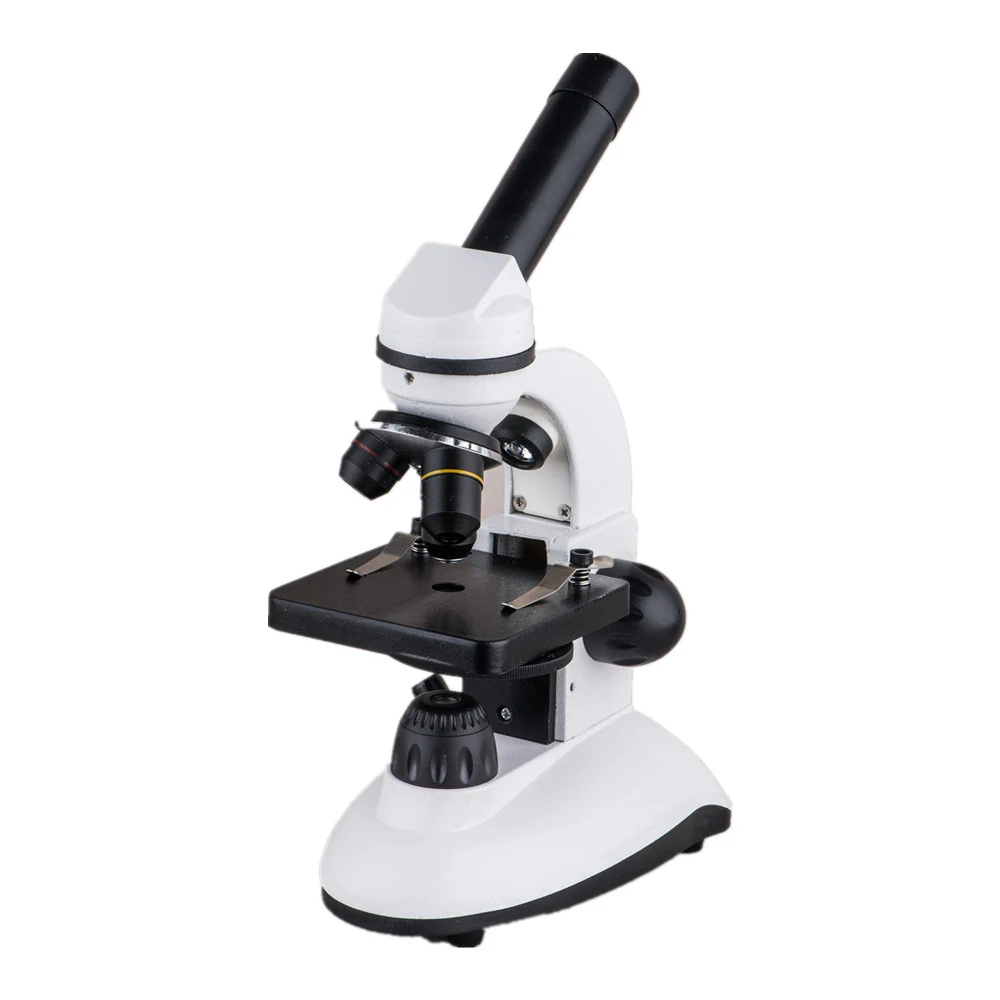
XSP100 Student Child Biological Microscope for School Education
Magnification range of 40X to 400X suitable for observing cells, insects, and basic specimens
View details →A sourcing-oriented comparison: when optical microscopes from an exporter like AMADA are the right RFQ, and when SEM/TEM/SPM keywords mean you need a different supplier class.
AMADA’s live site and category tree cover optical biological, stereo/zoom, metallurgical, polarizing, fluorescence, video/digital microscopes, cameras, accessories, astronomy accessories, and magnifiers. Export messaging on the About page references medicine clinical, biomedical research, and electronics online testing.
Global keyword lists often include scanning electron, transmission electron, atomic force, and scanning probe terms. Those instruments are a different capital-equipment class (vacuum columns, electron optics, probe scanners). If your RFQ truly needs SEM/TEM/AFM, say so explicitly — do not paste an optical stereo RFQ into an electron-microscope tender.
If you need slide screening, PCB stereo inspection, metallurgical reflected light, polarizing, fluorescence, or HDMI/USB documentation cameras, AMADA’s optical categories are the matching scope. Start from the category pages and model outfit tables, then request quotation via [email protected] or +86-15195807515.
Related search themes: electron microscope, scanning electron microscope, sem microscope, transmission electron microscope, tem microscope, optical microscope, scanning probe microscopy, atomic force microscopy
Magnification range of 40X to 400X suitable for observing cells, insects, and basic specimens
View details →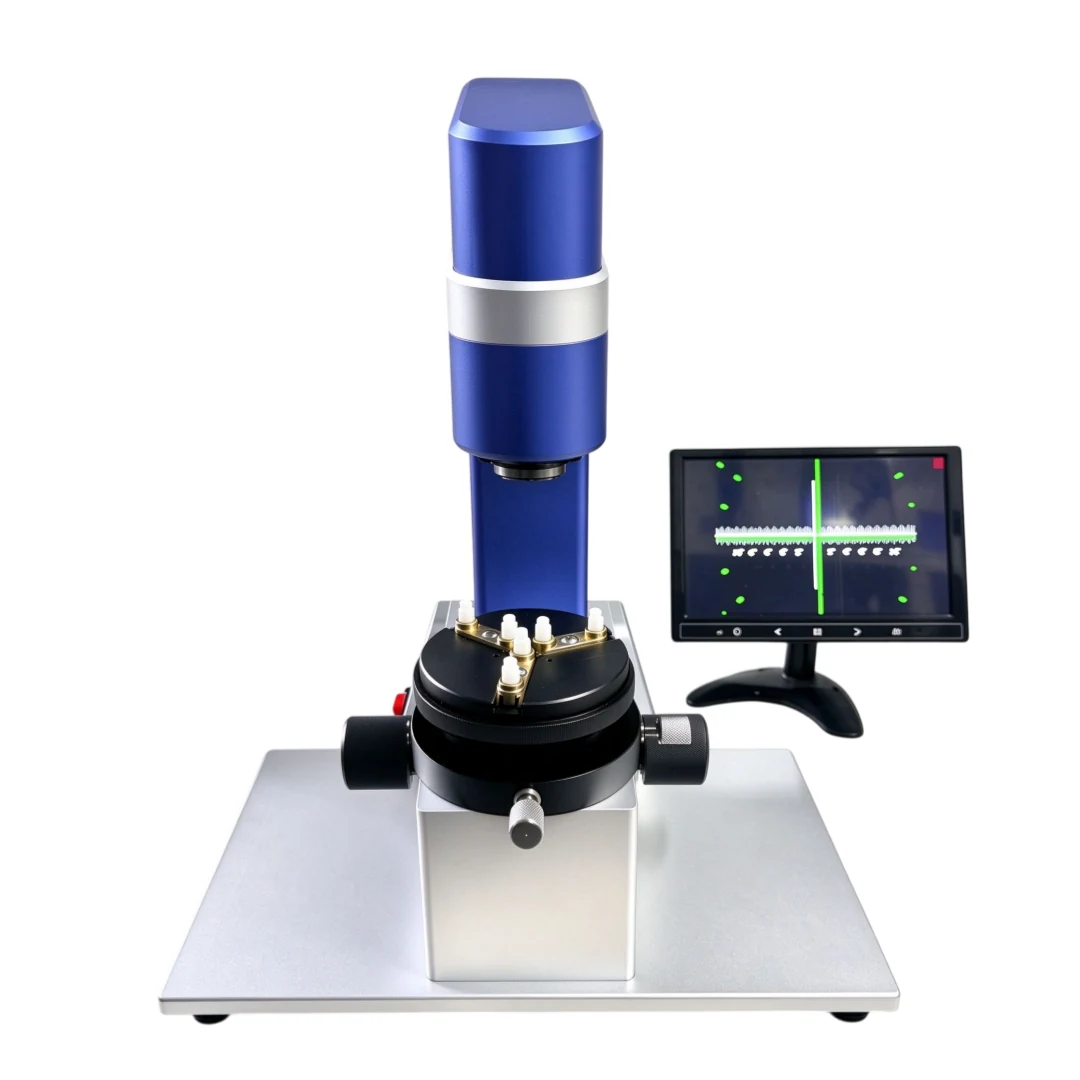
Fixed 15″ per division reticle graduation remains unchanged across different lenses, ensuring consistent measurement reference
View details →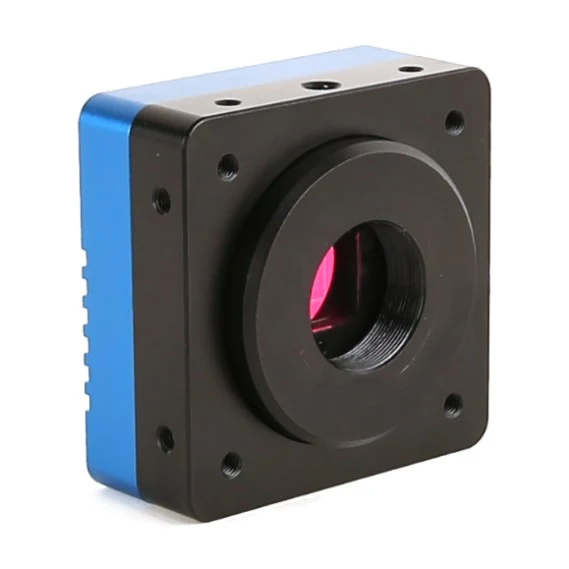
USB3.0 interface enables high-speed data transfer for real-time imaging and high frame rates
View details →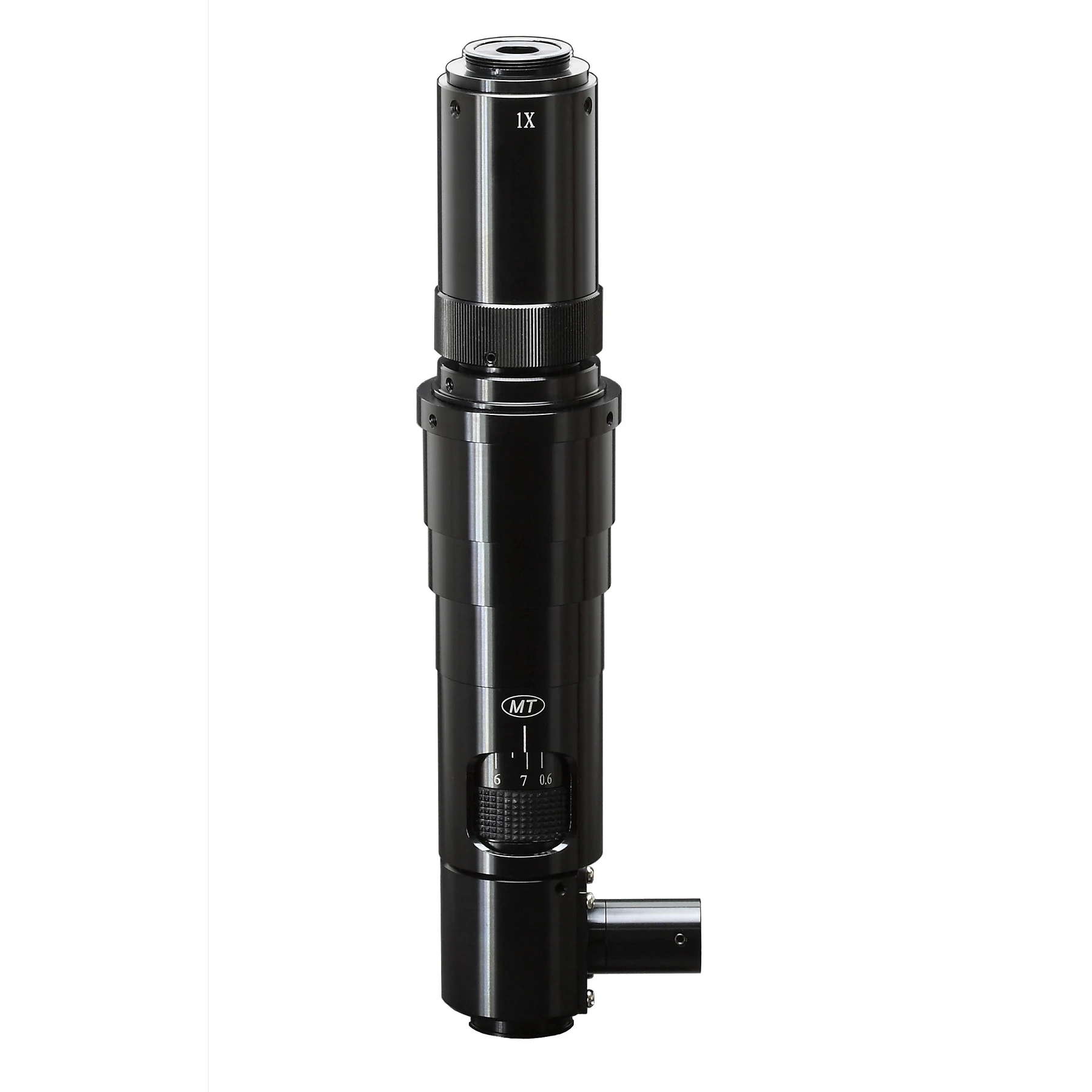
12:1 zoom ratio delivers high magnification range from 0.58X to 7.0X for detailed inspection
View details →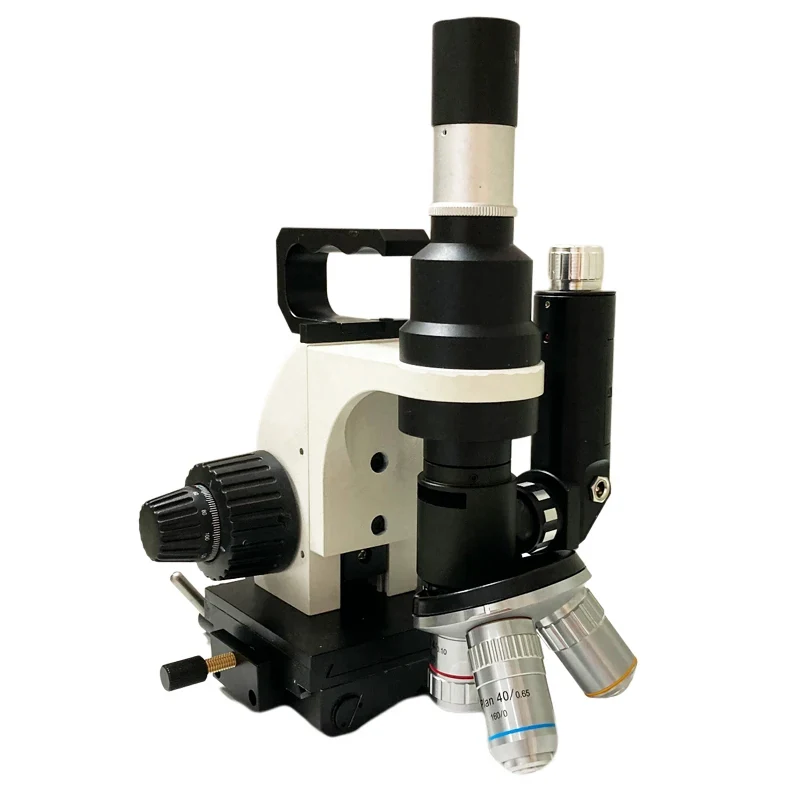
Portable design enables field inspection of metal surfaces without lab access
View details →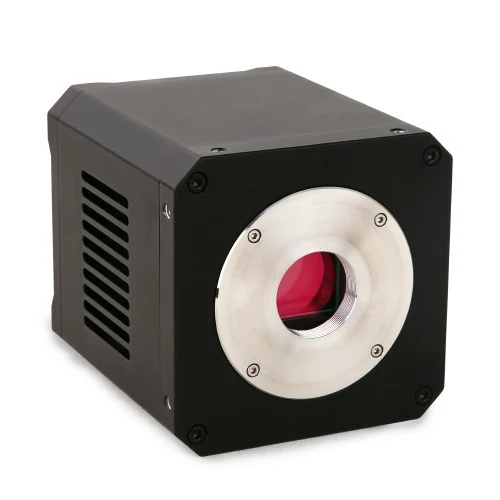
Two-stage TE-cooling reduces sensor temperature by up to -40°C below ambient for low dark current and high signal-to-noise ratio
View details →